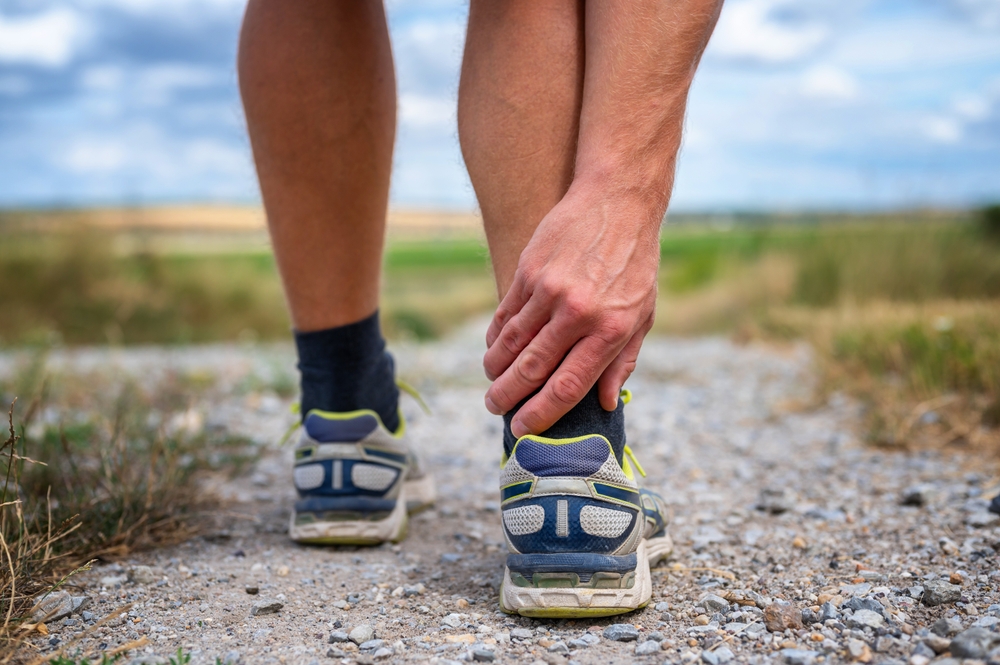
The Achilles tendon is the largest and strongest tendon in the body, connecting the calf muscles to the heel bone. It plays a critical role in walking, running, jumping, and pushing off the foot. Despite its strength, the Achilles tendon is vulnerable to injury—particularly in athletes and active individuals. When injured, it can significantly limit mobility and athletic performance.
How Achilles Tendon Injuries Occur
Achilles injuries can range from mild inflammation to partial or complete tears. Common causes include:
- Sudden increases in activity or training intensity
- Explosive movements such as sprinting or jumping
- Tight or weak calf muscles
- Overuse from running, especially on uneven surfaces
- Inadequate footwear or poor biomechanics
Achilles tendon ruptures often occur during sports like basketball, tennis, or soccer, when the tendon is subjected to a sudden force.
Common Symptoms
Patients with an Achilles tendon injury may experience:
- Pain or stiffness along the back of the ankle or calf
- Swelling or thickening of the tendon
- Difficulty pushing off the foot when walking
- A popping or snapping sensation at the time of injury (with rupture)
- Weakness or inability to stand on tiptoe
Treatment Options
Treatment depends on the severity of the injury and the patient’s activity level:
Conservative care
- Rest
- Ice
- Nonsteroidal anti-inflammatory drugs (NSAIDs) for pain relief
- Heel lifts in shoes, orthotic shoes, cast, splint, or a walking boot
- Platelet-rich plasma (PRP) injections to stimulate healing
Therapy
- Specific strength exercises to strengthen your calf muscles
- Physical therapy
- Eccentric strength training. This type of exercise helps strengthen your calf muscles to take pressure off your tendon
- Calf stretches and heel drops
- Adjust physical activity to low-impact activities, such as swimming
- Extracorporeal shockwave therapy uses high-energy shockwave impulses to help stimulate the healing process in damaged tendon tissue
Surgical repair
- The type of surgery depends on the location and amount of damage to the tendon
- Surgery to directly the repair the tendon if it is ruptured
- Surgery to lengthen your calf muscles (gastrocnemius recession)
- Surgery to remove damaged tendon tissue or bone spurs and repair the tendon (debridement)
- Surgery to remove your damaged tendon tissue, fix the remaining tendon, and give it extra strength by moving another tendon to the heel bone
- Varies depending on the damage to the tendon and if there is more tendon involved, the longer the recovery period, and the less likely a patient will be able to return to high levels of physical activity
- Requires a long recovery period
More on Achilles Tendon Surgery
Specialized Care for Achilles Injuries
Early diagnosis is key to achieving the best outcome. As a Boston-based orthopaedic surgeon specializing in Achilles injuries in athletes, Dr. George Theodore provides both advanced surgical and non-surgical treatment options tailored to each patient’s goals and lifestyle.
If you’re experiencing Achilles pain or have suffered an injury, don’t delay care. Contact Dr. George Theodore in Boston at (617) 724-7009 or request a consultation online today.